Yong Kang Chan has 5 audiobooks on Listento.it, narrated by 3 narrators, with an average listener rating of 4.1★ across 7 ratings. The most-rated is Empty Your Cup.
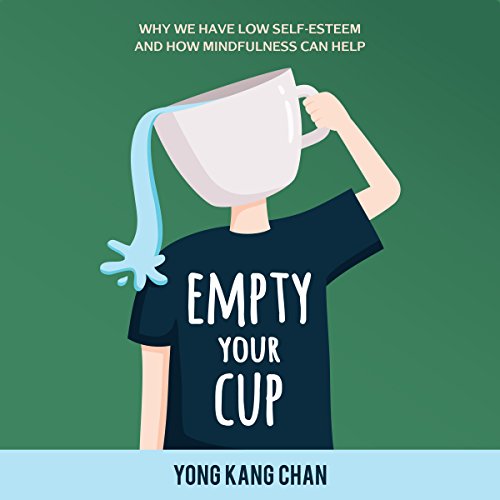
Empty Your Cup
Summary
Struggling with low self-esteem? Still feeling inferior, unworthy, and not good enough despite all your effort to change? On the surface, we should be happy. We have all the things we need - a decent job, a stable income, and great friends. We have improved our self-confidence. We thought that we had overcome our low self-esteem issues. But yet, deep down inside, nothing has changed - we still feel inferior to others. Why is this so? Why don’t we love ourselves? The truth is we have been solving the wrong problem. We thought that by being more successful and confident, we would feel good about ourselves. But low self-esteem is a perception problem; it has nothing to do with our success or confidence. You can be wealthy, beautiful, or well-liked by others and still not feel good about yourself. You will understand more about this in Empty Your Cup. The purpose of this audiobook is to help you empty everything you believe about yourself and reconnect with your spiritual self. Throughout this book, the cup is used as an analogy for the mind. You’ll learn: The causes and impacts of low self-esteem How beliefs are formed Six reasons why changing negative beliefs into positive beliefs is not entirely effective in the long run What mindfulness is The differences between the spirit and the mind What spiritual awakening feels like and ways to stay awake How mindfulness can help you love yourself Empty Your Cup is a simple book that isn’t technical at all. You don’t need any prior psychology or spirituality knowledge to understand the teachings in this audiobook. So are you ready to let go of everything you believe about yourself and learn to love yourself again?
©2017 Yong Kang Chan (P)2018 Yong Kang Chan
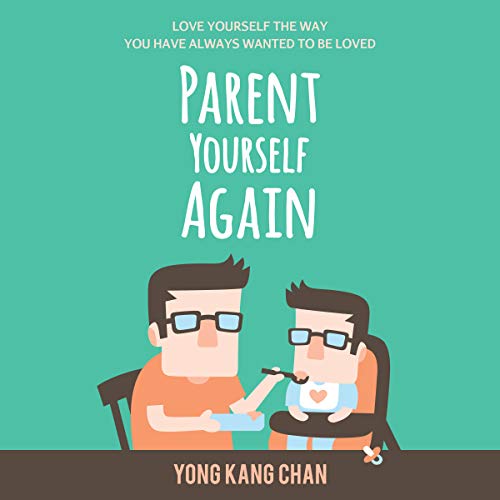
Parent Yourself Again
Summary
Didn’t get the love you desire from your parents? Still craving for their approval? From a young age, we try to impress our parents and make them happy. We behave ourselves and stay out of trouble. We study and work hard to make our parents proud. We did everything we can to please our parents but yet it’s never enough. They still treat us the same. Why is it so difficult to get our parents to love us? Children long for their parents love. They want to be loved and accepted for who they are. But wait a minute...we are adults now. We are no longer children. Why are we still craving for our parents’ approval? No matter how old you are, whenever you are with parents, you automatically become a kid again, and your parents will play their roles. Your relationship with your parents often stays the same. Since you can’t change your parents, the only way to improve your relationship with your parents is to change yourself. Be your own parent. If you are constantly longing for love from someone else such as your parents, partner, or friends, you might want to revisit your childhood. As children, we didn’t receive the love we desire from our parents. So we are still seeking someone to fulfill this void in us. The truth is we have the capacity to love ourselves. We don’t have to wait for someone else to give us the affirmations and validations we need. Changing your parents or hoping they will treat you differently will only leave you disappointed, frustrated, and hurt. The purpose of this book is to help you learn how to love yourself and be your own parent. What your parents failed to do for you in the past, you can do it for yourself now. In this book, you’ll learn: The dynamics of a parent-child relationship How your childhood might have affected your adult life Why is it difficult to change your parents How to grow your inner parent How to heal your inner child and take care of its needs The different protective mechanisms you have adopted subconsciously that prevent you from loving yourself Parent Yourself Again is a simple book for self-reflection and self-exploration. If you want a better relationship with yourself and your parents, listen to this book. Download to get started today!
©2018 Yong Kang Chan (P)2018 Yong Kang Chan

Reconnect to Love
Summary
Do you feel lonely even when you are with people? When we are alone and isolated, many of us think we will feel better once we surround ourselves with friends, family, or a romantic partner. We are constantly looking for someone else to complete us, accompany us, and give us love and attention. But instead of feeling less lonely, we often end up feeling empty and disappointed. Something always seems to be missing from our relationships. We want a deep, meaningful connection with others. However, our relationships usually don’t live up to our expectations. People don’t seem to get us, or we don’t seem to fit in with others. Even those of us who are married or in a love relationship still feel separate and emotionally disconnected from our partners from time to time. Why is this so? The truth is loneliness is not due to a lack of external connection. It’s a result of internal disconnection. When we feel lonely, we have lost our alignment with the love and abundance within. Instead, we are focusing on what’s missing and lacking in our relationships. This book is not about getting rid of loneliness or building better relationships with others. The purpose of this book is about reconnecting to the love that is always available to us from within whenever we feel lonely. By clearing the psychological obstacles that prevent us from feeling connected to others in the first place, we naturally become more spiritually connected with the world and others. Scroll to the top of the page and buy Reconnect to Love now!
©2020 Yong Kang Chan (P)2020 Yong Kang Chan

The Disbelief Habit: How to Use Doubt to Make Peace with Your Inner Critic
Summary
Can’t stop your critical thoughts? With mindfulness, you have critical thoughts… without the suffering. From an early age, many of us have this critical voice in our head that we call the inner critic. It’s the voice that tells us: You are not good enough. You will never amount to anything. You are a bad person. You don’t deserve love. No one loves you. You can’t do it. We have tried many different exercises and techniques to get rid of it, but nothing works. These intrusive thoughts keep popping up whenever they want. And they make us feel frustrated! Instead of overcoming our self-criticism, we end up making the inner critic our enemy and blame ourselves for having such self-loathing thoughts. Some of us even believe that beating ourselves up is good for us and keeps our behaviors in check. Have you tried to stop your negative thoughts? How is that working for you? Self-criticism isn’t the problem. Our resistance to it is. The truth is we can’t control most of our thoughts. Our unhealthy, habitual ways of thinking are the result of past conditioning, and they have become a part of our protective mechanism. It’s not easy to change this system overnight. Instead of fixing and resisting our thoughts, we can change our unconscious reactions to those judgments. Our inner critic might be unkind to us, but that doesn’t mean we have to believe everything it says. The reason why we continue to feel hurt by our negative self-talk is not that the words are hurtful. It’s because we are quick to believe that these harsh criticisms about us are true! Buy The Disbelief Habit: How to Use Doubt to Make Peace with Your Inner Critic The purpose of this audiobook is to help you be more aware and skeptical of your self-loathing thoughts. In this book, you’ll learn: Why you shouldn’t take your thoughts too seriously Why your mind is so critical and hard on you What are the four common reactions to self-criticism and how to react to your critical thoughts What is and what isn’t disbelieving 5 examples of how to separate the truth from the fiction How to notice your unconscious reaction How to identify the message that your inner critic is conveying How to make doubting your new habit The Disbelief Habit provides you the steps to practice mindfulness and make peace with your mind. Just test it out and experience the change for yourself.
©2017 Yong Kang Chan (P)2018 Yong Kang Chan

The Emotional Gift: Memoir of a Highly Sensitive Person Who Overcame Depression
Summary
What if depression was a gift and not suffering? At the age of 31, Yong Kang Chan was left with no job, no income, and most importantly of all, no identity. He thought having a job in an animation studio would lead him to the right career path. But an unexpected turn of events led him to depression. Those two months of darkness was scary. He even contemplated dying. However, he soon realized depression was a spiritual gift and embraced it. He believed he had depression for a reason. “I experienced depression so I could write about it and share the lessons I learned.” Depression had taught him important lessons about being a highly sensitive person (HSP). While overcoming depression, he learned how to: Embrace all feelings Reconcile between anger and empathy Deal with anger Love and accept oneself Trust one’s intuition Acknowledge shame and be vulnerable Let go of wanting approval Above all, Yong Kang found his identity as a writer. The best way to accept a gift is to accept and be thankful. Are you ready to accept this gift? Scroll to the top of the page and get a copy of The Emotional Gift now!
©2016 Yong Kang Chan (P)2018 Yong Kang Chan